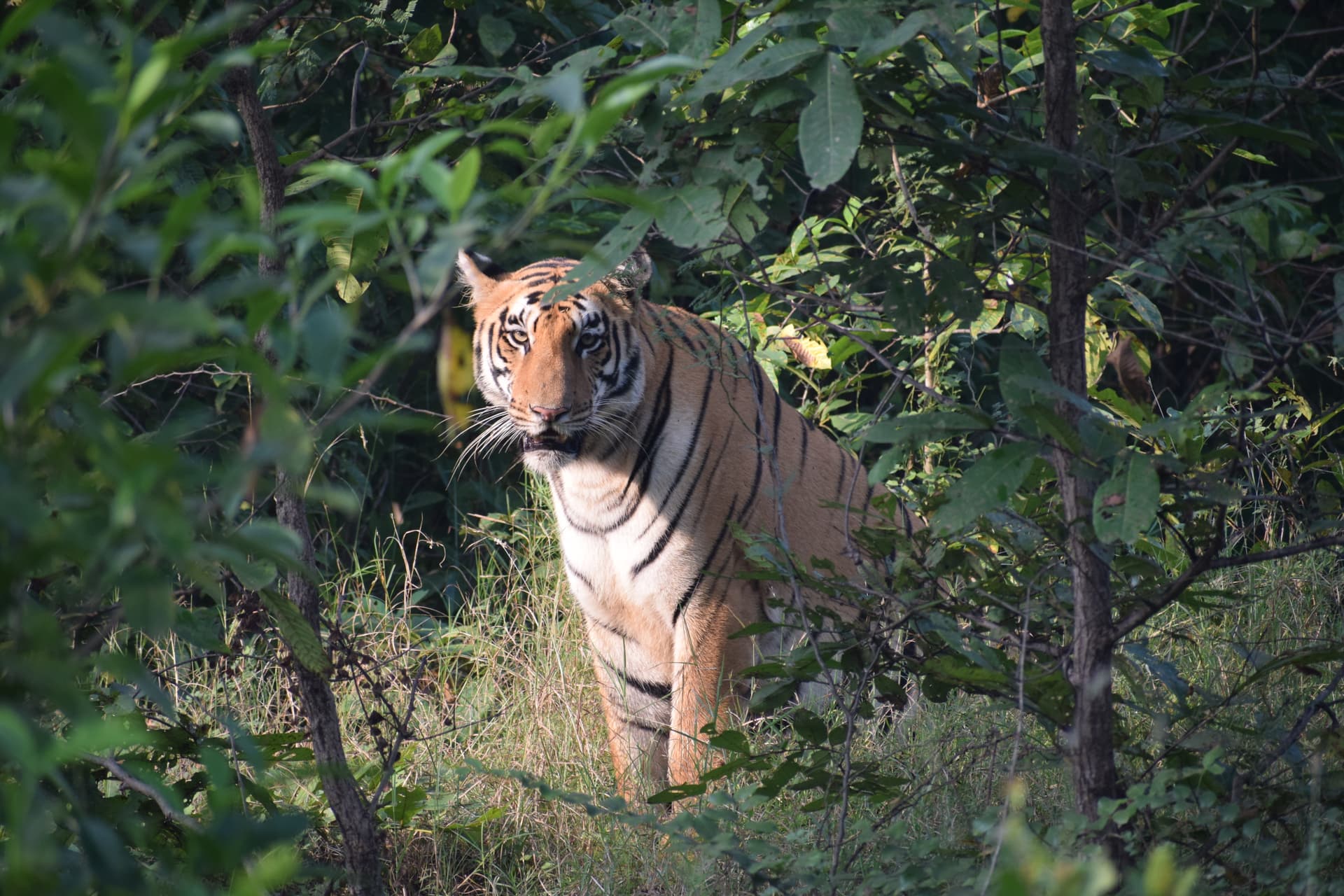
Rani is a tigress who wanders the heart of the Sunderbans in Bengal. As the scorching golden sun rays filter through the thick canopy of the mangroves, her sturdy legs allow her to majestically move through the woods; in search of the gushing river and her next meal. But her purposeful gait falters as she is reminded of the threats to biodiversity loss as a result of human interference. Consequently, leading to a rapid decline in opportunities to find a prey. Starvation is not far for Rani and her cubs.
At Junglore, we strive to work towards conservation of endangered species to protect wildlife like Rani and millions more. We want to instil the best wildlife conservation efforts to revamp the way jungle expeditions provide an experience for wildlife enthusiasts across the globe.
Here are 10 wildlife conservation tips from Rani for every conservationist and safari adventurers:
1. Don’t Destroy Her Home
“My home is diminishing,” Rani sighs as she witnesses the rapid deforestation and infrastructural development that’s shrinking the forest. The best way to right such wrongs is to undertake active restoration projects. The right steps toward a forest and habitat conservation program can help recover the lost flora and fauna.
2. Be Sensitive On A Safari
“The rumble of the safari jeep sets my heart racing and triggers my cubs to anxiously run about,” Rani mentions. If you wish to spot animals responsibly, be mindful of your safari practices. Avoid making unnecessary loud noises inside the jungle, do not get close to the animals and follow the rules of the park. This will enable the animals to live peacefully, without any threat from humans.
3. The Night Is Her Time To Shine
Rani’s burning ember eyes squint suddenly as garish torch lights flash through the dense flora. “Bright lights like these make nocturnal animals like me bewildered,” she states. In order to ensure that animals maintain their normal behavior as well as migratory patterns, one must avoid light pollution. Instead, invest in night time goggles or binoculars to spot animals on night safaris.
4. Water Is Her Lifeline
“The water source is our bane: to bathe, to quench our thirst, to swim across to islands. But the depleting quality is making life difficult for me,” Rani exclaims. The depleting quality of freshwater resources either due to pollution or increasing salinity levels reduces the number of water sources for the animals. Educating and spreading awareness amongst local communities, rerouting industrial waste and restoring freshwater ponds will protect the biodiversity.
5. Allow Safe Passage
Rani recalls the day she was crossing a road in search of a prey to feed her little ones, when all of a sudden a jeep came to a stand still inches in front of her. “That was the day I saw death so close to me,” she wails. Wildlife corridors are essentially bridges or underpasses that allow the animals to move from one place to another safely. Support organisations that actively create these corridors and focus on wildlife and biodiversity connection.
6. Ban Products Using Animal Parts
“Pari, my cousin, was hunted down for her vivacious stripped skin. They used it to make one of those fancy products you wear with so much pride,” Maya breaks down. Animal fur, exotic leather, ivory are just some examples of how wildlife is traded illegally and large profits are earned at the animals’ expense. Next time you’re shopping, look for ethical alternatives.
7. Inculcate Sustainable Practices
“I’ve seen a deer die brutally because she ate plastic. I’ve seen a bear being shot by hunters,” recalls Rani as tears roll down her orange skin. Human activities not only adversely affect wildlife population but also disrupt the ecosystems. Minimising the use of single-use plastics and waste and simultaneously using eco-friendly products will enable conservation of endangered species.
8. Spread The Word
“Don’t you think if the neighbouring communities knew about our plight, understood it, then we would not infiltrate their territory in search of fresh drinking water?” hopes Rani. Educating and inspiring those around you is the best way to have conservation-friendly tourism experiences. The more people know, the more actionable steps they can take. At Junglore, we aim to provide you with AI-powered wildlife conservation resources to learn wildlife behaviour and the vitality of conservation.
9. Becoming A Citizen Scientist
“Sometimes we are unable to keep track of our family members,” says Rani. When citizens become scientist, it’s no rocket science. They can simply report any sightings to the local forest department. Additionally, cameras can be set up by the local community in discreet spots to keep track of the number of wildlife species. Data can be collected through AI powered wildlife monitoring to save lives.
10. Laws To Protect The Jungles
“Even though humans are considered the most civilised of the species, they can be the most brutal,” reveals Rani. Laws that guard the jungle and protect the endangered species and their habitats are crucial. As a wildlife conservationist, you can write your concerns to policymakers, create and sign petitions and spread the word among the local community.
How can Junglore help?
Junglore aims to bridge the gap between humans and the wildlife through education, innovation and community engagement. We have AI and predictive models to enable safari enthusiasts to witness the beauty of the animals.