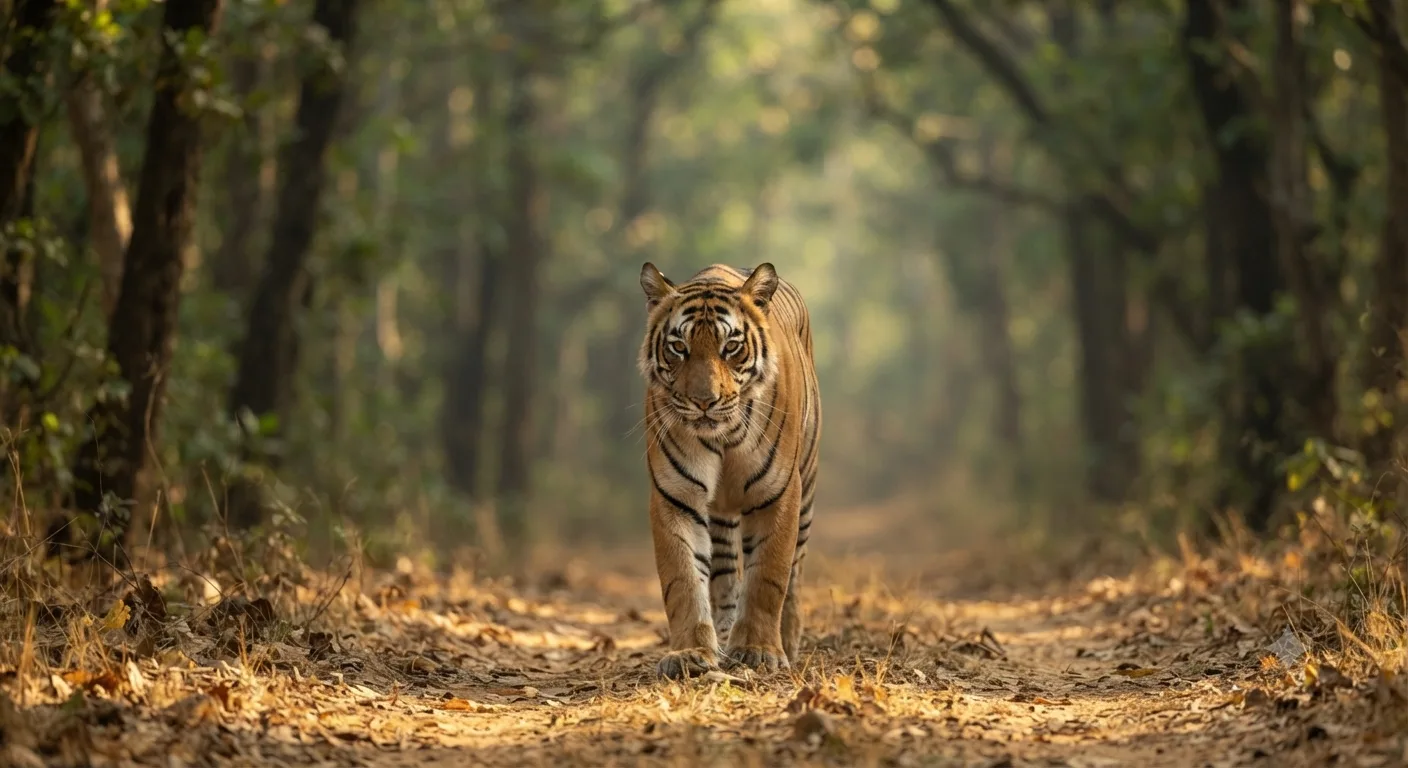
Kanha National Park Safari: A Complete Guide for Your Next Wildlife Adventure
Some wildlife experiences stay with you long after the journey ends. Watching deer move through an open meadow, listening to birds in the forest, or catching a glimpse of a tiger in its natural habitat makes a jungle safari truly special. If you are looking for such an experience, Kanha National Park in Madhya Pradesh deserves your attention.
Famous for its Bengal tigers, beautiful forest landscapes, and successful barasingha conservation programme, Kanha is one of India's most rewarding wildlife destinations. It attracts nature lovers, photographers, families, and adventure seekers throughout the safari season. Before packing your bags, it helps to understand how the safari works, which zones you can explore, when to visit, and how to arrange your booking. This guide will help you plan your Kanha trip with greater confidence.
1. Discover the Wildlife and Natural Beauty of Kanha
What makes Kanha different from many other wildlife destinations is the variety of landscapes found within its forest. Tall sal trees, bamboo patches, grassy meadows, and seasonal streams create habitats for numerous animal and bird species. The reserve is particularly important for protecting the hard-ground barasingha, a rare swamp deer that has become one of its most recognisable wildlife attractions.
During a safari, you may also come across:
Bengal tigers moving through forest trails
Barasingha grazing in open grasslands
Leopards resting among rocky and wooded areas
Indian gaurs feeding near forest clearings
Sloth bears searching for food
Indian wild dogs travelling in packs
Sambar deer and spotted deer
Colourful forest birds and waterbirds
You never know what the forest might reveal during a safari. That unpredictability is part of what makes visiting Kanha exciting.
2. Which Safari Areas Can You Explore in Kanha?
Kanha Tiger Reserve offers different tourism zones, giving visitors opportunities to experience various parts of its forest ecosystem. The four main core zones are Kanha, Kisli, Mukki, and Sarhi.
Here is what you should know about them before selecting your safari:
Kanha: This zone is known for its scenic meadows, forest surroundings, and barasingha habitat. It is a popular choice among wildlife enthusiasts.
Kisli: A combination of wooded landscapes and open spaces makes this area interesting for observing different wildlife species.
Mukki: Visitors often appreciate its beautiful forest setting and opportunities to explore diverse animal habitats.
Sarhi: This zone offers another perspective of Kanha's forest environment and can be appealing to visitors interested in nature and birdlife.
The reserve also has buffer tourism areas, including Khatia, Khapa, Sijhora, and Phen.
Is one safari zone better than the others?
Not necessarily. Animal movement changes from day to day, and no particular zone guarantees a tiger sighting. Consider your accommodation, available permits, and travel schedule when making your choice.
3. Morning or Evening: When Should You Go on Safari?
Kanha offers two general safari sessions, each providing a different way to experience the forest.
Morning safari
Early mornings are a favourite among many wildlife enthusiasts. The forest gradually comes alive as birds begin calling and animals move through their habitats. Cooler temperatures can also make the journey more comfortable.
Evening safari
The afternoon session offers another opportunity to explore the forest. As the day progresses, changing light creates beautiful conditions for landscape and wildlife photography. Safari entry and exit timings depend on sunrise, sunset, and seasonal regulations. Always follow the schedule printed on your permit rather than relying on general timings found online.
Remember that core safari operations generally pause during the monsoon season, while buffer tourism arrangements may vary.
4. When Should You Plan Your Kanha Wildlife Trip?
Your travel dates can influence the kind of experience you have in the forest. Some visitors prefer pleasant weather and green surroundings, while others travel during warmer months for wildlife observation.
Here is a simple seasonal breakdown:
October to February: A comfortable period for exploring the reserve. The weather is generally pleasant, making it suitable for families and travellers who
enjoy outdoor activities.
March to June: Temperatures increase, and wildlife enthusiasts often prefer this period for photography and animal observation. Animals may visit available water
sources more frequently.
July to September: This is the monsoon period. Core safari zones are generally closed, so check official tourism announcements before planning a visit.
If this is your first wildlife holiday, the winter months can be a comfortable starting point. Experienced wildlife enthusiasts may also enjoy visiting towards the end of the safari season.
5. How to Reserve Your Kanha Safari Permit
Once you have selected your travel dates, the next step is arranging your safari permit. Since the number of vehicles allowed into tourism zones is regulated, it is sensible to make your reservation ahead of time.
How to complete your booking:
1. Open the official online booking website.
2. Find and select Kanha Tiger Reserve.
3. Enter your intended safari date.
4. Review the available zones and safari sessions.
5. Provide the requested visitor and identification details.
6. Make the payment and keep your confirmation for the trip.
Before completing the reservation, carefully review the permit conditions. Vehicle arrangements, guide fees, entry charges, and other costs may be listed separately
depending on the booking option. It is also important to carry the required original identification document during your visit.
7. Things to Remember Before Entering the Forest
A successful wildlife holiday is not just about choosing a destination. Being prepared also helps you enjoy the journey without unnecessary difficulties.
Keep these suggestions in mind:
Confirm your reservation: Recheck your safari date, zone, reporting time, and entry gate before travelling.
Keep identification ready: Carry the documents required for permit verification.
Dress appropriately: Comfortable clothing in subtle colours is suitable for forest exploration.
Take binoculars: They are useful for observing birds and animals without getting too close.
Protect your camera equipment: Dust, changing weather, and movement inside safari vehicles can affect photography equipment.
Respect wildlife: Never shout, feed animals, or ask drivers to approach them.
Follow forest regulations: Your guide and driver are there to help you enjoy the safari safely.
Carry personal essentials: Sunscreen, drinking water, medicines, and a hat can make the trip more comfortable.
Most importantly, keep your expectations realistic. A forest is a natural habitat, not a wildlife exhibition. Even without a tiger sighting, the birds, trees, landscapes, and
smaller animals can make the experience worthwhile.
Frequently Asked Questions About Visiting Kanha National Park
1. Is Kanha National Park worth visiting?
Absolutely! The park is a wonderful destination for anyone who enjoys nature and wildlife. Its beautiful forests, Bengal tigers, rare barasingha, and diverse birdlife make it a memorable place to explore.
2. Which safari zone is best in Kanha?
Kanha, Kisli, Mukki, and Sarhi are the four main core tourism zones. Each offers different landscapes and wildlife experiences. The right choice depends on availability and your travel preferences rather than guaranteed animal sightings.
3. What is the best month to visit Kanha?
March, April, and May are popular months for wildlife enthusiasts interested in tiger sightings. October to February is more suitable for travellers who prefer pleasant
weather and comfortable outdoor conditions.
4. How many days are enough to explore Kanha?
A two-to-three-day trip is a good option for most visitors. It allows you to enjoy multiple safari sessions, explore different forest areas, and spend some time discovering the surrounding attractions.
Final Thoughts
A trip to Kanha is not just about spotting a tiger or taking photographs. It is about experiencing the peaceful beauty of the forest, discovering different animal species, and understanding why protecting wildlife is so important. From watching barasingha grazing in open meadows to exploring beautiful sal forests, every visit offers a different experience. With a little planning and respect for nature, your time in this incredible wildlife destination can become a memory worth sharing.