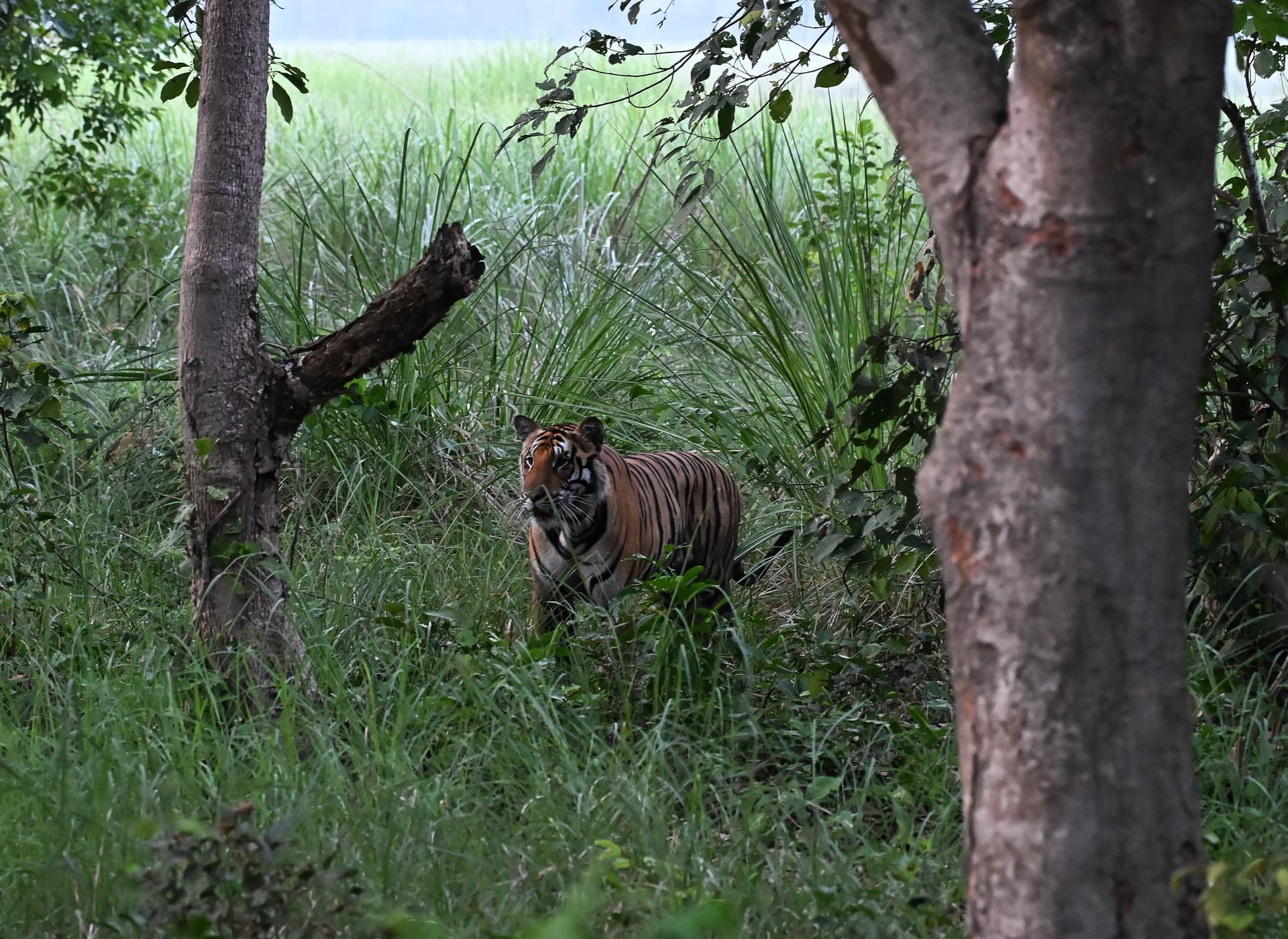
Dudhwa National Park
Dudhwa National Park is a protected area in the state of Uttar Pradesh, India, that was established in 1977. The park covers an area of 490 square kilometers and is located in the district of Lakhimpur Kheri, along the Indo-Nepal border. The history of Dudhwa National Park dates back to the early 20th century when the area was used as a hunting ground by the British rulers of India. In 1958, the area was declared a wildlife sanctuary by the government of Uttar Pradesh, with the aim of protecting the swamp deer population, which was facing the threat of extinction. In 1977, the sanctuary was upgraded to a national park, and additional areas were added to the protected area. The park was also declared a tiger reserve in 1987, as the area was found to have a significant population of Bengal tigers.
Today, Dudhwa National Park is home to a diverse range of wildlife, including tigers, leopards, elephants, sloth bears, and over 450 species of birds. The park is also known for its unique ecosystem, which includes grasslands, swamps, and dense forests.
Conservation efforts at Dudhwa National Park have included habitat restoration and the reintroduction of several endangered species, including the swamp deer and the barasingha, a species of deer that was once on the verge of extinction.
Dudhwa Tiger Reserve is a protected area in the Terai region of Uttar Pradesh, India. It was established in 1988 and covers an area of 1,284 square kilometers, including the Dudhwa National Park and Kishanpur Wildlife Sanctuary. The reserve is known for its rich biodiversity, with a variety of flora and fauna, including the Bengal tiger, Indian rhinoceros, swamp deer, leopard, and many species of birds.
Best time to visit Dudhwa National Park
Dudhwa is generally visited between November and June and closes during the monsoon. The cooler months from November to February are the most comfortable for long drives across the grasslands and are also the strongest for birding.
What makes Dudhwa different
Dudhwa is one of the very few places where you can see Bengal tiger and Indian one horned rhinoceros in the same reserve, the rhino having been reintroduced after being locally extinct. The Terai landscape of tall elephant grass and marshland is also distinct from the forest reserves of central India, and it supports a species list those parks cannot match.
Why choose Dudhwa over a better known reserve
Dudhwa sees far fewer visitors than the established tiger circuit, so drives are quiet and uncrowded. Sightings can be harder won because the grass is high, but the combination of tiger, rhino and swamp deer in Terai grassland is not available at Kanha, Panna or Tadoba. Junglore runs guided expeditions here for travellers who want exactly that.